
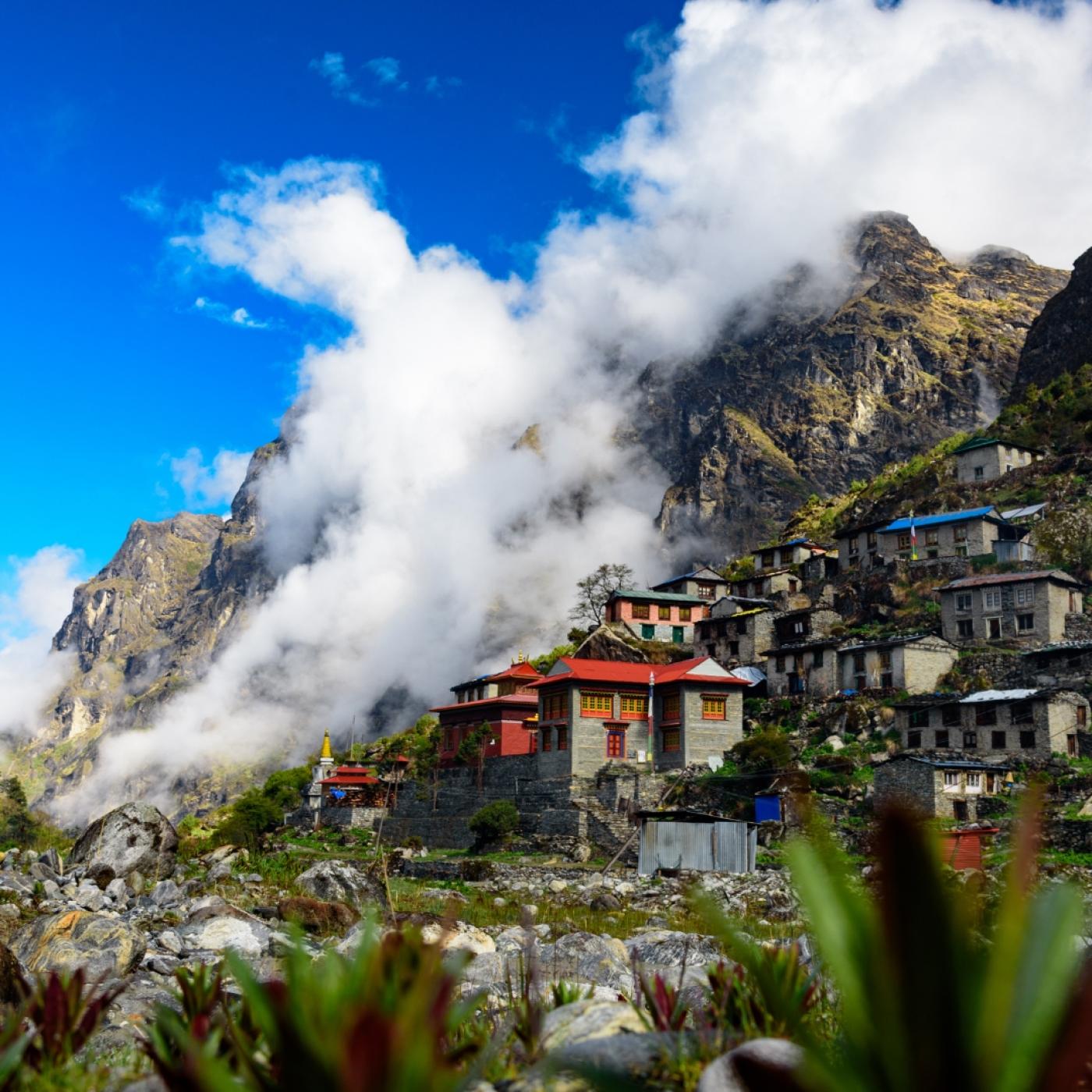
Explore the wild side of Nepal with jungle safaris and rare wildlife encounters
Located in the subtropical lowlands of south-central Nepal, Chitwan National Park is Nepal’s first national park and a UNESCO World Heritage Site. Spanning over 950 square kilometers, it’s a haven for wildlife enthusiasts, bird watchers, and eco-tourists. Known for its dense sal forests, grasslands, and wetlands, the park offers a home to iconic species like the endangered one-horned rhinoceros, Royal Bengal tiger, Asian elephant, gharials, and over 500 species of birds. Whether you opt for a jeep safari, a canoe ride, or a jungle walk, the park promises thrilling encounters in a pristine setting. The nearby Tharu villages add cultural charm, offering traditional dances and cuisine. Chitwan is perfect for those seeking a balanced blend of adventure, biodiversity, and cultural immersion—all just a short trip from Pokhara or Kathmandu.
Important Timings
| Park Entry Hours | 6:00 AM – 6:00 PM (October–June) |
| Closed during monsoon (July–September) |
| Best Time to Visit | October to March (cool and dry season) |
| Safari Timings | Morning: 7:00 AM – 10:00 AM |
| Evening: 3:00 PM – 6:00 PM |
Booking and Entry Fees
|
Nepalese Citizens |
NPR 150 |
|
SAARC Nationals |
NPR 1,000 |
|
Foreign Nationals |
NPR 2,000 |
|
Jeep Safari (optional) |
Starts from NPR 2,000+ |
|
Canoe Ride (optional) |
NPR 500–1,000 |
History and Legacy
Established in 1973, Chitwan National Park was the first of its kind in Nepal and remains its flagship conservation site. The area was once a royal hunting reserve, but increasing threats to wildlife prompted King Mahendra to declare it a protected area. In 1984, it earned UNESCO World Heritage status due to its rich biodiversity and successful conservation of endangered species, particularly the one-horned rhinoceros and Bengal tiger.
The park has played a critical role in global conservation efforts. With support from the World Wildlife Fund and other organizations, Chitwan has become a model for community-based eco-tourism and anti-poaching measures. The Buffer Zone Program, involving local Tharu communities, has created sustainable tourism models while ensuring wildlife protection. The park’s unique location in the Terai lowlands and proximity to cultural sites like Sauraha village make it a truly immersive destination where nature, culture, and conservation coexist harmoniously.
Nearby Destinations
|
Sauraha Village |
2 km |
5 mins |
Walk/Cycle |
|
Bharatpur Airport |
20 km |
30 mins |
Taxi/Bus |
|
Devghat (pilgrimage site) |
28 km |
45 mins |
Taxi |
|
Lumbini |
130 km |
4 hours |
Taxi/Bus |
|
Pokhara |
147 km |
5–6 hours |
Tourist Bus/Car |
Tourist Guidelines & Tips
- Always take a licensed guide for jungle activities
- Avoid bright colors and strong perfumes during safari
- Do not feed or provoke animals
- Carry binoculars and mosquito repellent
- Book safaris in advance during peak season (Oct–Mar)
- Respect local customs and ask before photographing locals
Top Things to Buy Near Chitwan
- Tharu handicrafts and woven baskets
- Traditional wooden masks and carvings
- Handmade elephant dung paper products
- Natural honey and herbal products
- Wildlife-themed souvenirs and T-shirts
Top Things and Places to Eat Nearby
- Jungle View Restaurant (Sauraha) – Local Nepali and Tharu meals
- Tharu Cultural Restaurant – Enjoy dinner with a traditional dance show
- KC’s Restaurant & Bar – Popular among tourists for varied cuisine
- Friends Café – Great for breakfast and coffee
- Evergreen Organic Farm – Organic meals in a natural setting