The Majestic Fortress of Blissful Bhutanese Heritage
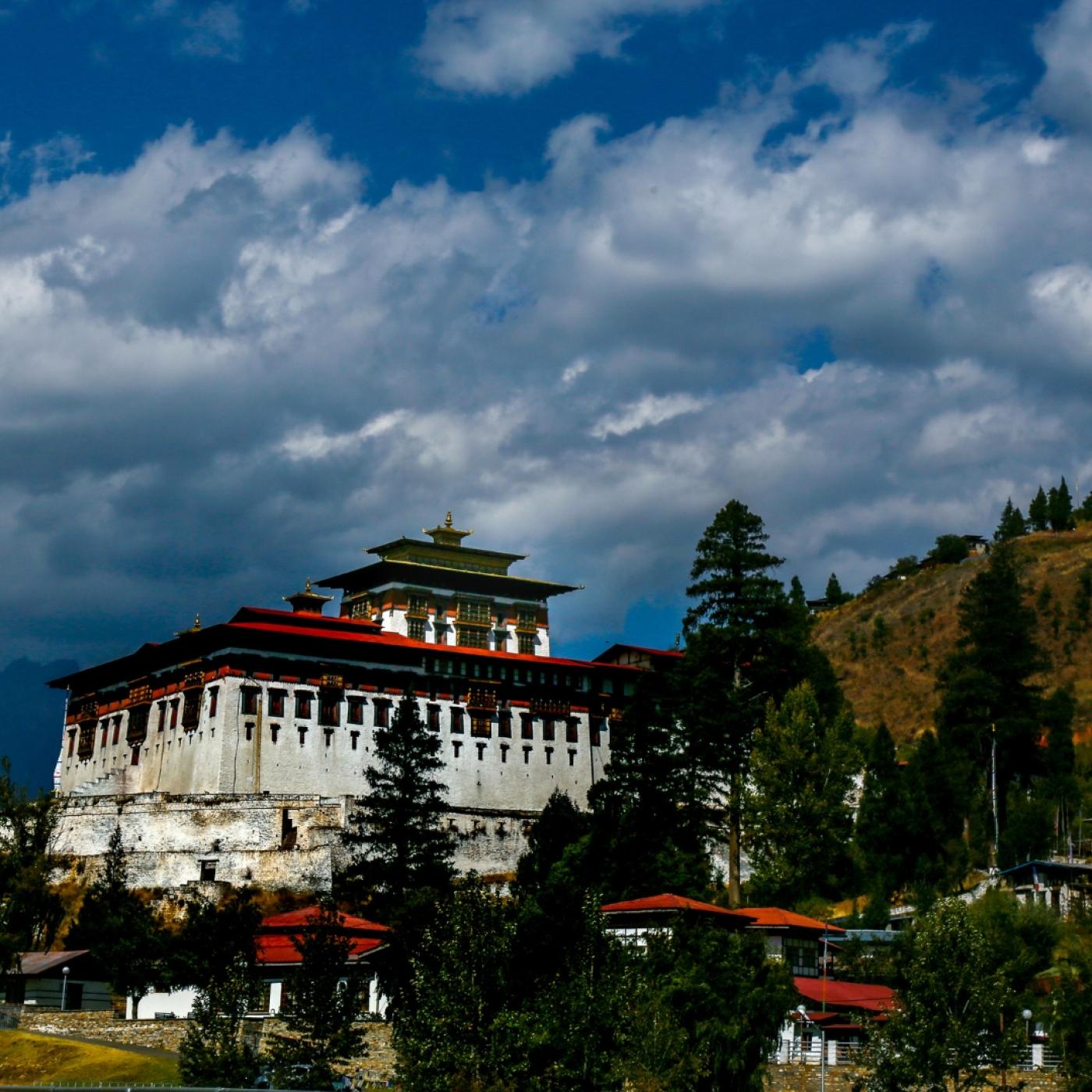
Punakha Dzong, also known as Pungtang Dechen Phodrang Dzong ("Palace of Great Happiness"), is one of Bhutan’s most iconic and stunning fortresses. Strategically located at the confluence of the Pho Chhu (Male River) and Mo Chhu (Female River), this massive dzong is surrounded by jacaranda trees that bloom in brilliant purple during spring. As the second oldest and second largest dzong in Bhutan, Punakha Dzong holds immense cultural, historical, and spiritual value. It served as the capital of Bhutan until 1955 and continues to be the winter residence of the monastic body. The dzong is a breathtaking example of Bhutanese architecture with massive whitewashed walls, intricate woodwork, and gold-painted interiors. Its majestic setting, rich history, and religious significance make it one of the most visited and photographed sites in Bhutan. A visit here offers both serenity and insight into the soul of Bhutan.
Important Timings
|
Daily |
9:00 AM – 5:00 PM |
|
Best Time |
Morning or late afternoon |
Booking and Entry Fees
|
SAARC Nationals |
BTN 300 |
|
Foreign Nationals |
BTN 500 |
|
Bhutanese Citizens |
Free |
|
Photography |
Allowed (No flash inside) |
History and Legacy
7. History and Legacy
Built in 1637 by Ngawang Namgyal, the unifier of Bhutan, Punakha Dzong played a crucial role in Bhutanese unification and administration. It was the administrative center and seat of the government for over 300 years. The dzong’s strategic location made it ideal for governance and defense. It has witnessed many historical events, including the coronation of Bhutan’s first king in 1907. The dzong houses sacred relics of the Drukpa Lineage and the embalmed body of Zhabdrung Ngawang Namgyal, making it a deeply revered religious site.
Despite several fires, floods, and earthquakes over centuries, Punakha Dzong has been meticulously restored, preserving its original grandeur. The architecture reflects Bhutanese artistry at its finest—towering white walls, intricate wooden carvings, and beautifully painted courtyards. It continues to serve as the winter residence of the Chief Abbot and monastic community, keeping alive its dual legacy as both a political and religious symbol.
Nearby Destinations
|
Chimi Lhakhang Temple |
10 km |
25 mins |
Taxi/Car |
|
Khamsum Yulley Namgyal Chorten |
15 km |
40 mins |
Taxi + Hike |
|
Sangchhen Dorji Lhuendrup Nunnery |
12 km |
35 mins |
Taxi |
|
Dochula Pass |
50 km |
1.5 hours |
Car |
Tourist Guidelines & Tips
- Dress modestly—no shorts or sleeveless tops.
- Remove shoes before entering temple areas.
- Photography is allowed, but not inside temple sanctuaries.
- Best to visit during spring (March-May) for jacaranda blooms.
- Respect the monastic community and ongoing rituals.
Top Things to Buy Near Punakha
- Handmade incense and prayer flags
- Traditional Bhutanese wooden masks
- Miniature dzong models
- Local honey and organic fruit products
- Bamboo craft souvenirs
Top Things and Places to Eat Nearby
- Chimi Lhakhang Cafeteria – Great for a traditional Bhutanese set meal
- Lobesa Village Restaurant – Known for local dishes and river views
- Punakha Pizza House – A casual option for pizza and fusion food
- The White Dragon – Affordable and popular with travelers
- Dochula Café (en route) – Scenic spot with snacks and hot drinks